

SOSX Mentor
A map of your working life, yours to keep.
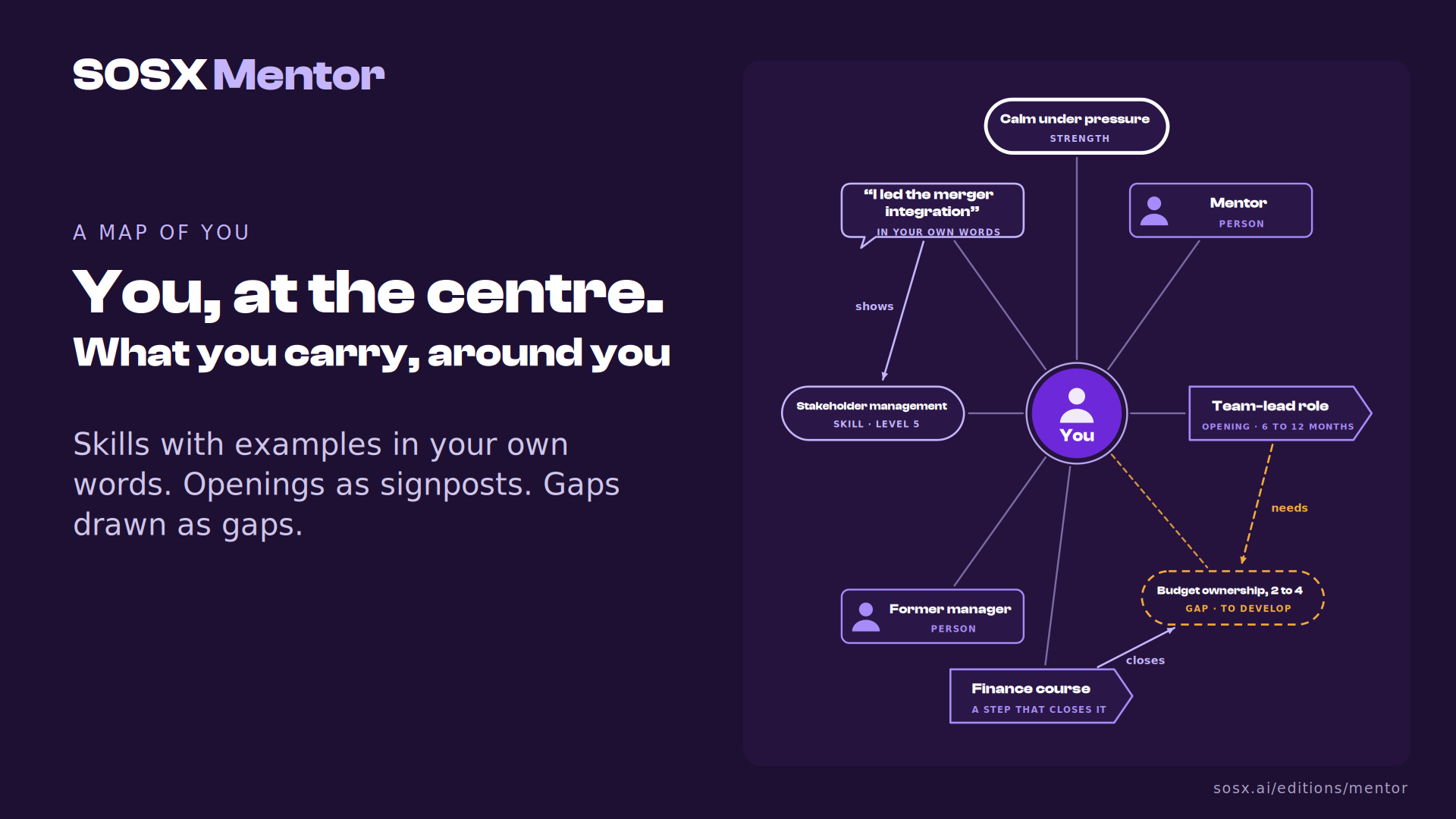
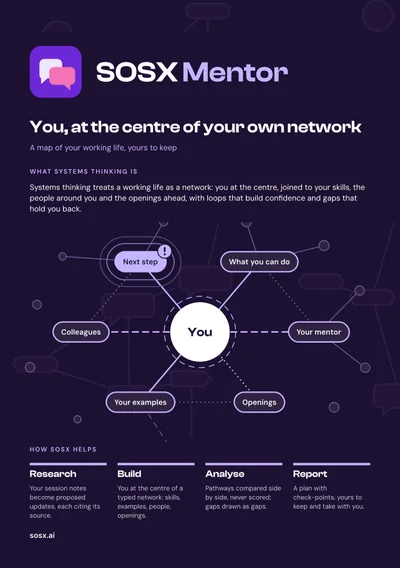
You are at the centre of the map: your skills, experiences, strengths and values, the people around you and the openings ahead, drawn as one connected map you own, which a mentor and SOSX help you read and grow.
The problems it solves
- “A good session changes how I see things. Two sessions later, it has gone.”
- “I know what I can do, but not how to show it.”
- “I can see where I want to go, but not the steps in between.”
- “Every time I move on, I start again from a blank page.”
SOSX Mentor: You, at the centre of your own network
See SOSX Mentor at work
The discipline: a working life read as a system 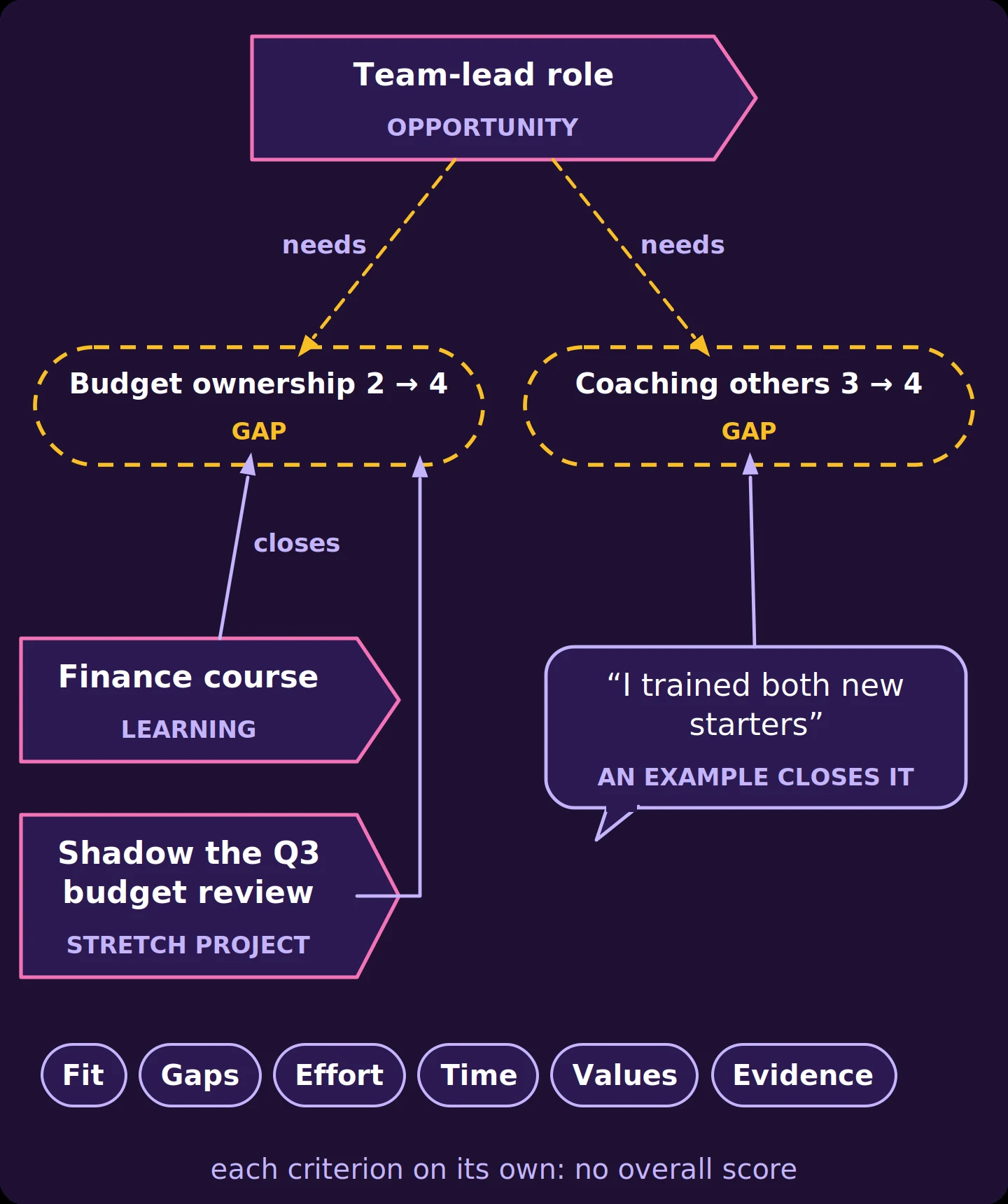
Gaps drawn as gaps, pathways compared without a score 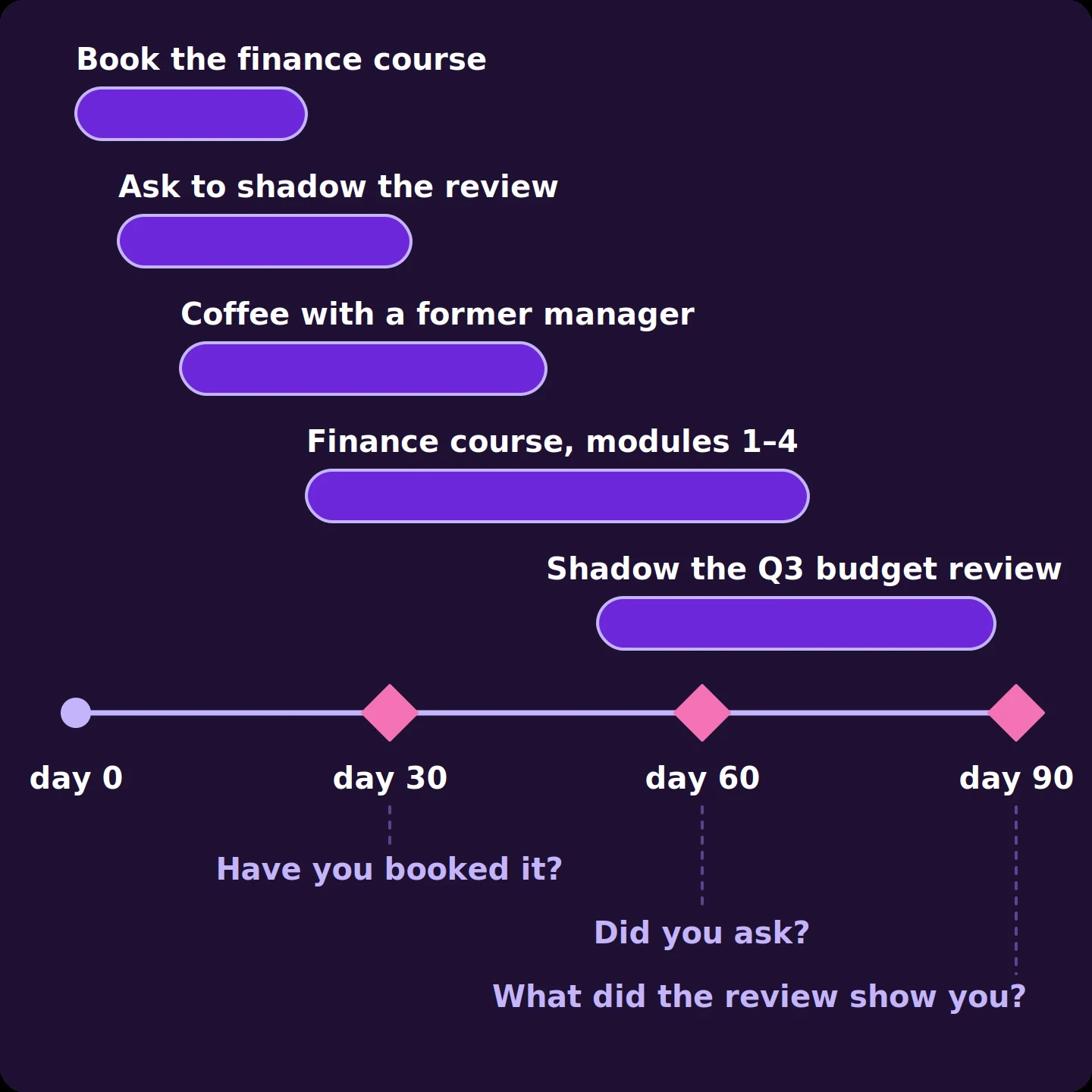
Ninety days, and where you are stuck 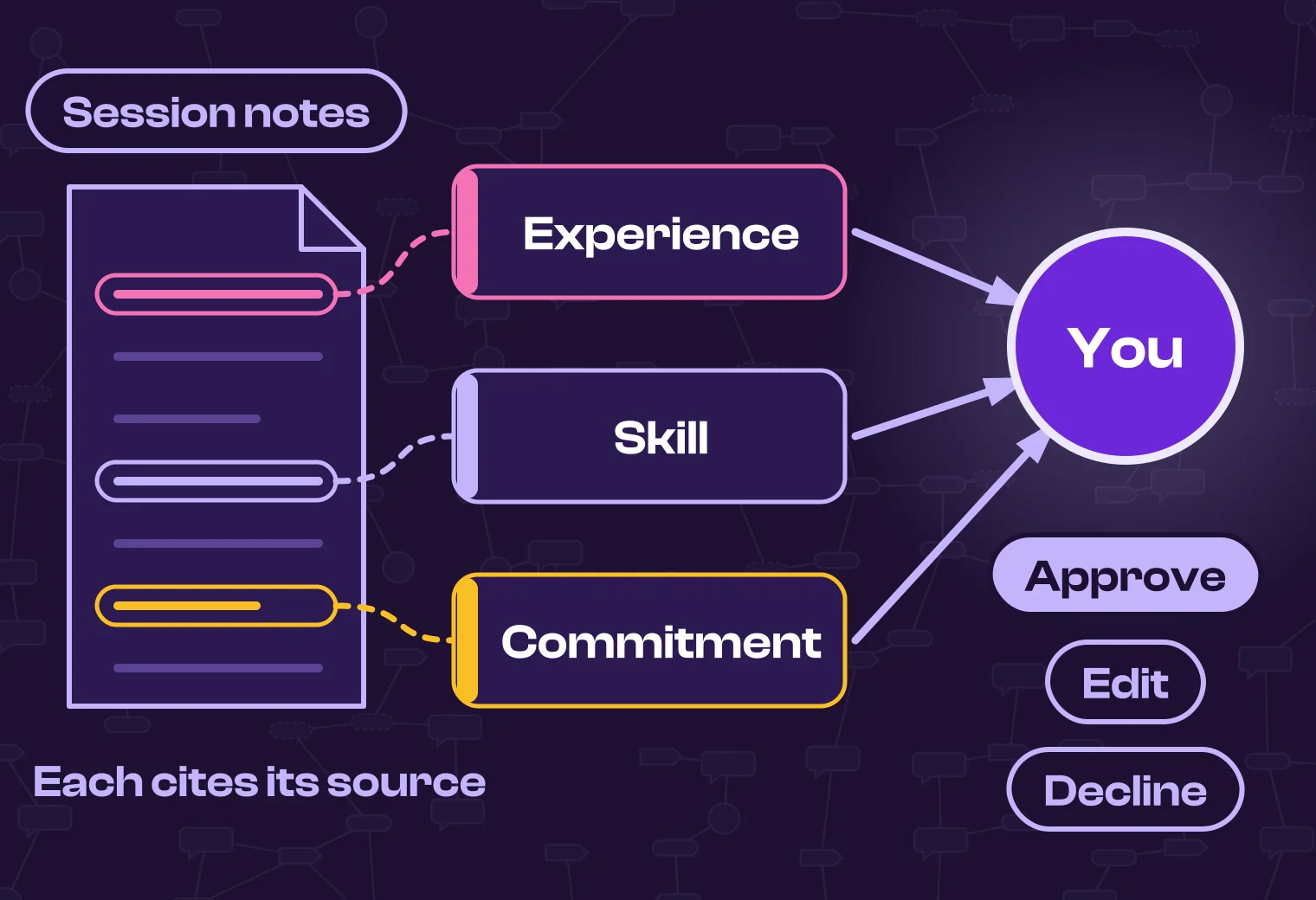
Sessions become evidence, and you approve every change 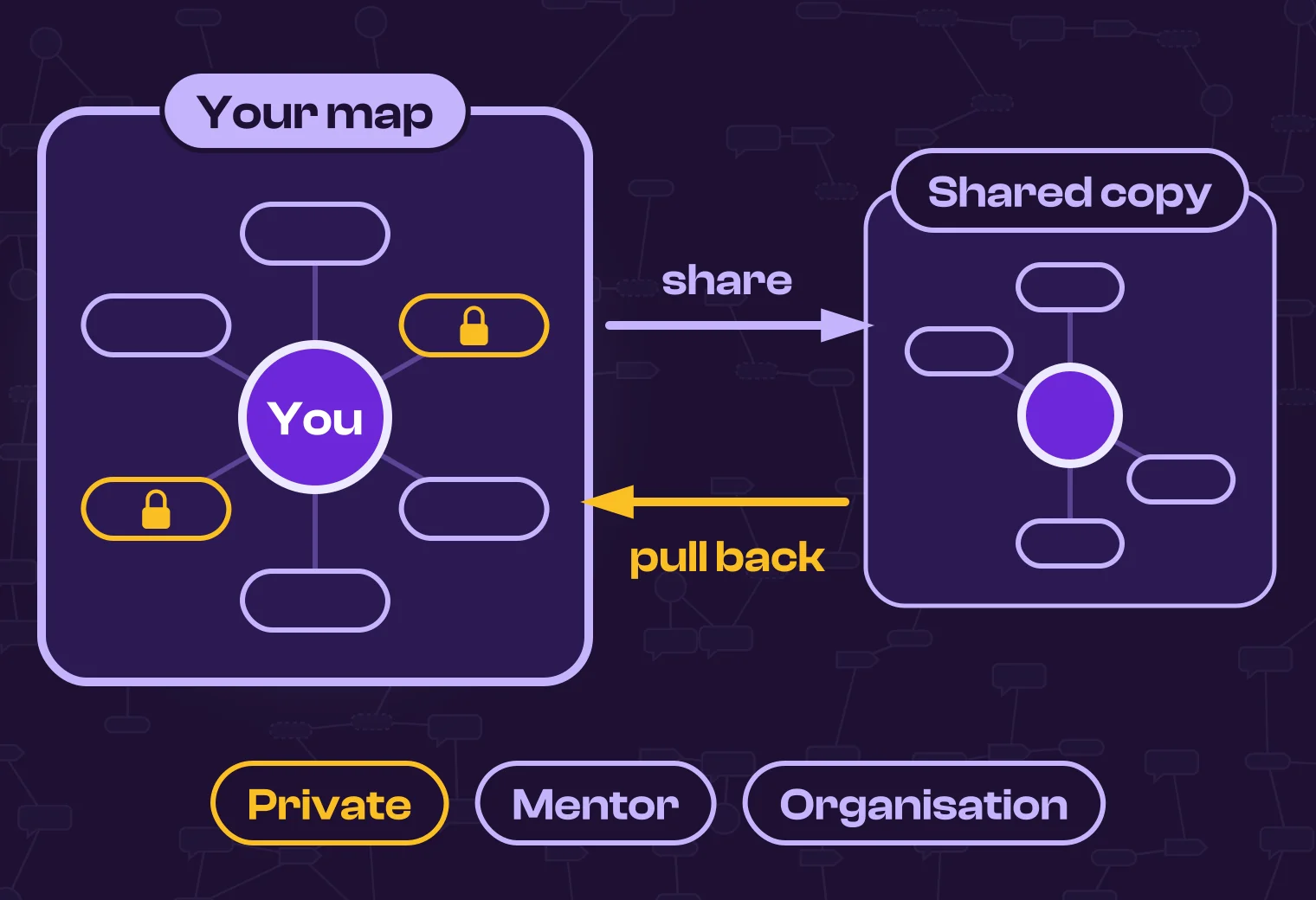
Your map is yours 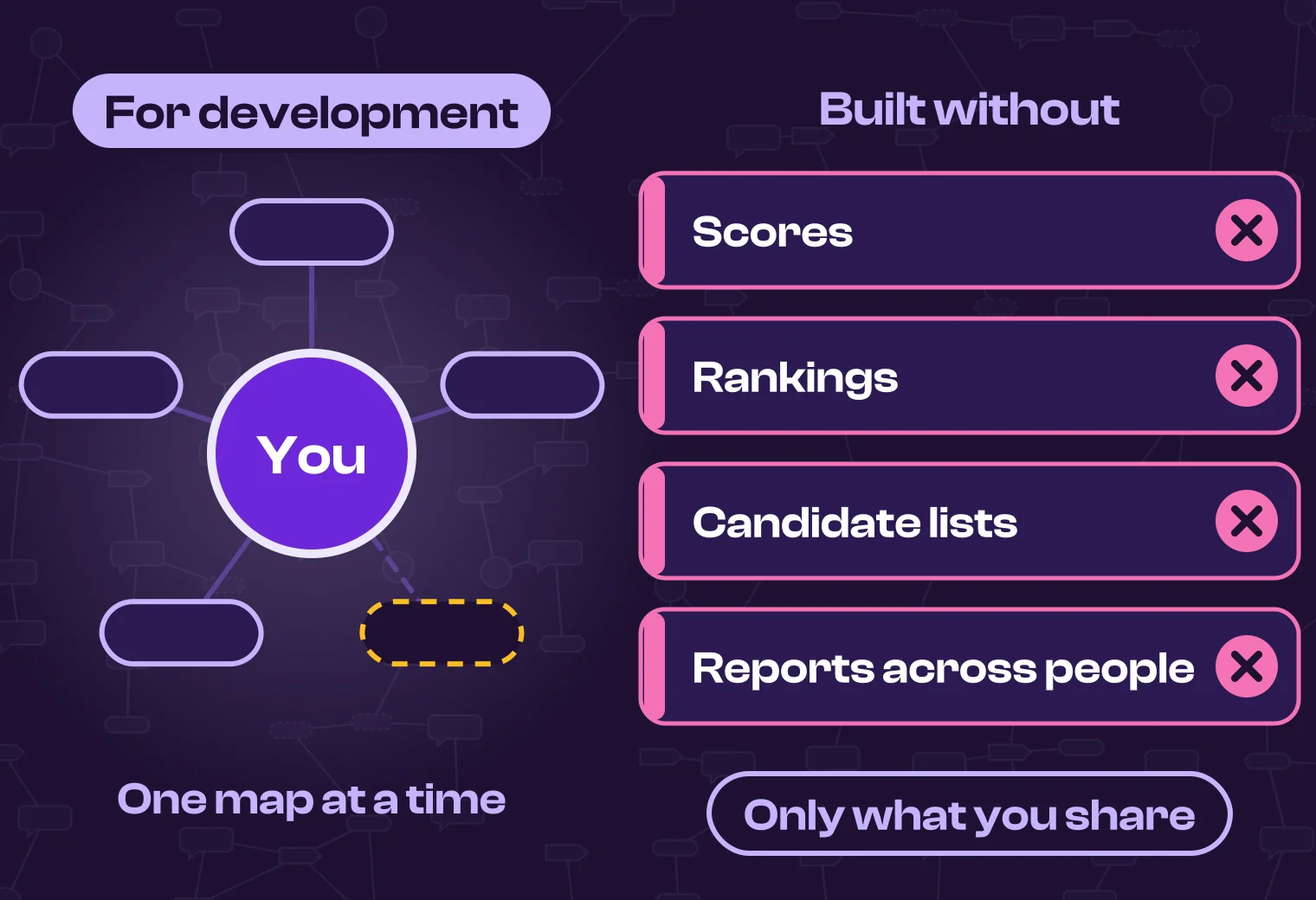
For development, and development only
How SOSX helps
Research
Specialised agents research the question, every claim citing a source.
Build
One typed, connected network, every value with its units and confidence.
Analyse
What-if, feedback loops, dependencies, trade-offs, risk and ROI.
Report
SWOTs, risk registers and decision reports, red-teamed before you see them.
The detail
For when you want the whole argument.
Read moreWhat SOSX Mentor does
A good mentoring conversation can change a career. What it rarely leaves behind is anything the person can carry. The insight from the third session is gone by the fifth, the commitment made in March is a vague memory by June, and when the person moves on, to a new employer, a new coach or a recruiter, they start again at the top of a blank page.
SOSX Mentor starts from a different picture: you are at the centre of the systems network. What you can do, the experiences that show it, the strengths you lean on and the values you would sign; the people around you; the openings ahead. All of it connected, all of it moving, and all of it one map that you own, carry between employers, coaches and recruiters, and grow with a mentor's help. It is the same SOSX engine that is in live enterprise trials with a large global aerospace manufacturer, pointed at a working life, with the shapes, words and outputs a map of a person needs.
Read moreThe discipline: a working life read as a system
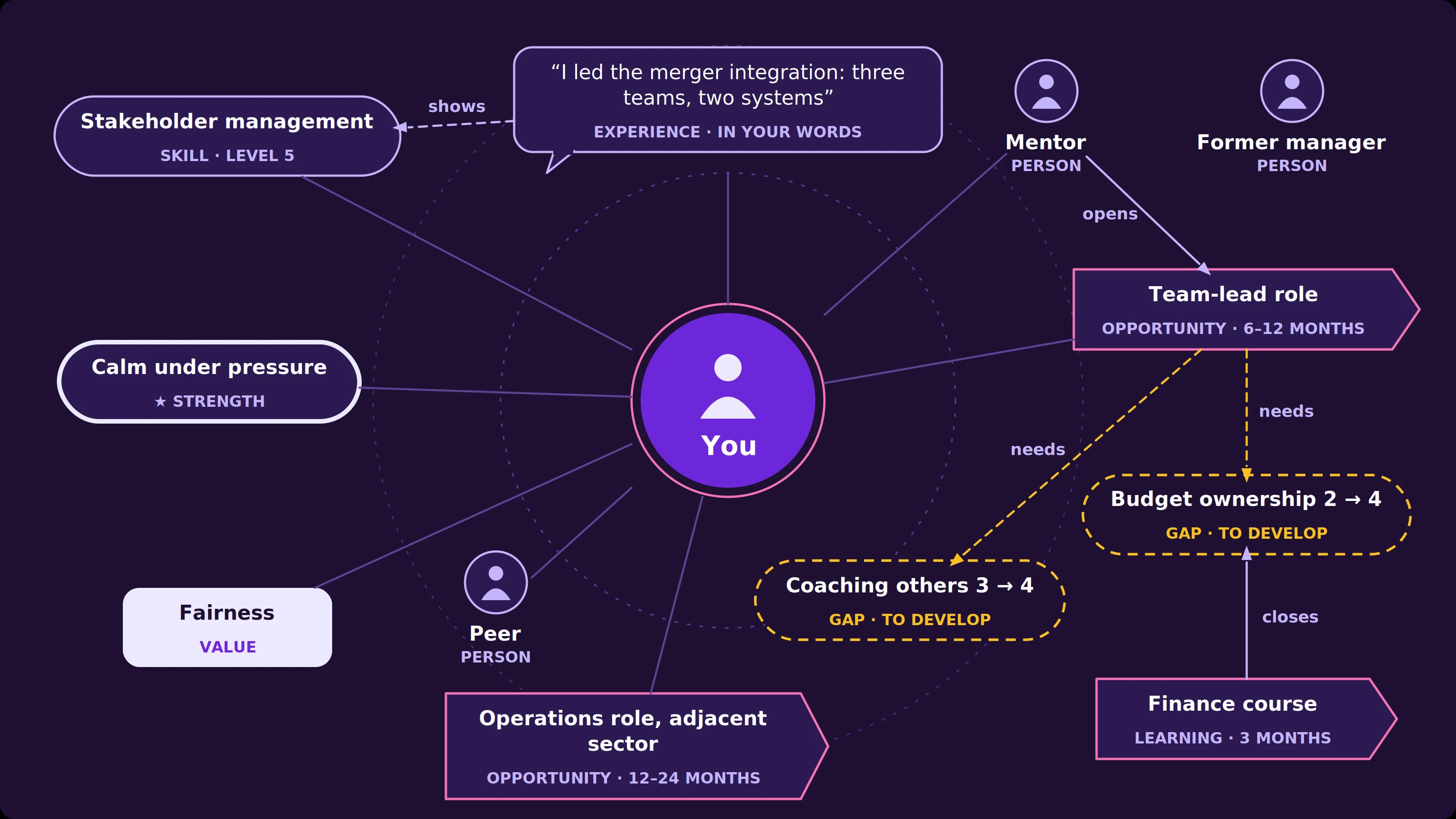
Good mentors already work this way, by hand. Put the person in the middle of the page, not the goal, so the first hour is about what is there rather than what is missing. Draw what they carry: skills as pills with a level from one to six, strengths with a heavier outline, experiences as a sentence in the person's own words, values as short statements they would sign. Then the people and places around them, then the openings ahead as signposts, then the lines, each one readable as a sentence: "the merger integration shows stakeholder management".
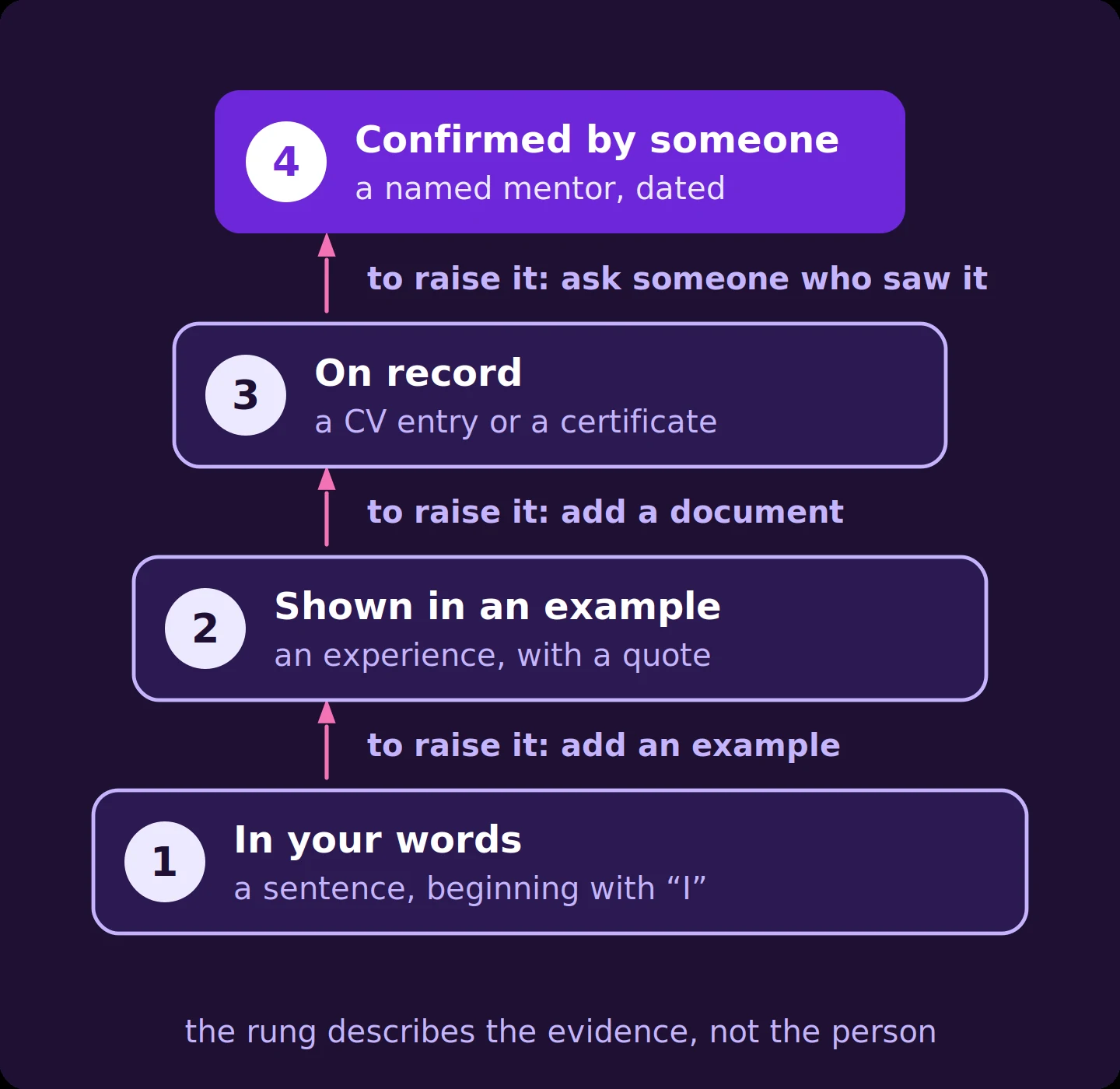
Then grade the evidence, not the person. A skill in your own words is the first rung; shown in an example, on record, and confirmed by someone who saw it are the next three. The rung is simply the strongest evidence attached, so it reads as a to-do list rather than a grade: add an example and it moves. Goal-setting research from Edwin Locke and Gary Latham supplies the rest of the practice: specific goals with feedback along the way beat "do your best", and Peter Gollwitzer's implementation intentions, a when and a where written down, substantially increase the chance a commitment is kept.
None of that needs software. What it needs is somebody to keep it: every quote, every rung, every gap and every commitment, current across months of sessions. That bookkeeping is where the practice usually breaks, and it is the part SOSX Mentor carries.
Read moreSessions become evidence, and you approve every change
After a session, the mentor's notes or a text transcript go in, and the AI drafts proposed updates to your map: a new experience quoted in your own words, the skill it shows, a commitment with a date. Each proposal cites the passage of the notes it came from, each quote is checked against the source to confirm it is verbatim, and only your own turns in the conversation can become your quotes.
Then you approve, edit or decline each proposal, one at a time. The mentor can refine or withdraw a proposal; only you can accept it. The map grows from your own evidence, and every item on it is there because you said yes. You can also start on your own, through a six-step guided intake with your CV or your LinkedIn profile export, and invite a mentor in later.
Read moreGaps drawn as gaps, pathways compared without a score
Openings come from four places, and the map keeps track of which: the organisation's own roles, public market research with every claim citing its source, the open ESCO skills framework for a shared vocabulary, and the openings you or your mentor add by hand.
A gap is the distance between what an opening needs and what you show today, drawn as a dashed outline with two numbers: "budget ownership, 2 → 4". Every gap belongs to the opening that needs it, and every gap wants a step that closes it: a course, a stretch project, a conversation. Some close in a single session, because the skill was there all along and simply needed an example.
Each opening, with its gaps and the steps that close them, is a pathway. SOSX Mentor lists your pathways side by side on six criteria (fit, gaps, effort, time to reach, values and evidence), each shown on its own, in words. You choose the priority: soonest, the biggest realistic step, or closest to your values. Change it and the order changes, and watching it move is often where the useful conversation starts. The criteria are never added up into a score.
Read moreNinety days, and where you are stuck
The top of the pathway list becomes a ninety-day plan: the closing steps due in the next ninety days, your open commitments, and check-points at days 30, 60 and 90, each a date and a question about one specific item. The plan is redrawn whenever the map changes, with earlier versions kept so the progress stays visible, and at the next session the commitments come first.
When things stall, the "Where am I stuck?" diagnostic checks your map for seven structural causes, such as a gap with no closing step, an opening nobody on the map can open, or a target whose date has passed. Each cause it finds lists the items that triggered it and a next step, so the conversation stays on the structure, where you can act. Growth is shown the same way: item by item between dated snapshots, rungs raised and gaps closed, with a short paragraph on what changed.
The outputs are computed from the map by ordinary, deterministic rules: the same map always gives the same inventory, gaps, pathways and causes. The AI's job is to word them readably, and it is held to that job: it does not change a number, add a step or a cause, or invent a quote or a source.
Read moreYour map is yours
You have one master map, in your own space, tied to you and to no employer. When you work with an organisation's development programme, a coaching practice or a recruiter, you share a copy: private items and your journal are filtered out first, and you pull changes back into your own map item by item, whenever you choose. When the engagement ends, the organisation's copy becomes read-only and is then deleted, unless you ask to keep it.
Every item carries a sharing level you set: private, mentor (the default) or organisation. You can see everything held about you, export your whole map at any time to Word, PDF and a file you can import again, and delete your space with a signed receipt. An independent mentor can work on your map through an invitation you can revoke, with private items hidden.
Read moreFor development, and development only
SOSX Mentor exists to help a person grow, and it is built so it can only do that. There is no score, rating or ranking of people, no route from a role to a list of candidates, and no reporting across people, not even anonymised: the pathway comparison takes exactly one map. Organisations see only what each person has chosen to share with them, which is what makes it a tool for supporting development rather than for hiring or promotion decisions.
It knows its limits, too. It is not a counsellor: if a conversation suggests someone is struggling, it stops proposing and points to real support, and alerts nobody without the person's own say. The map has no field for a protected characteristic, a health state or a personality type, and the AI does not infer them. The worked examples, in the product and in the book, are Alex, an invented composite.
Free to download
Go deeper
Bring us a real map
Start with forty minutes and a sheet of paper: you in the middle, five skills each with an example in a sentence beginning "I", one opening you care about, and a dashed gap wherever a line from it lands on nothing. Then bring that map, or a development programme whose conversations never quite turn into plans, and drop us a message and let's have a chat.
Send us your question and let's have a chat.