

SOSX Research
Map the field. Find the gap. Think further.
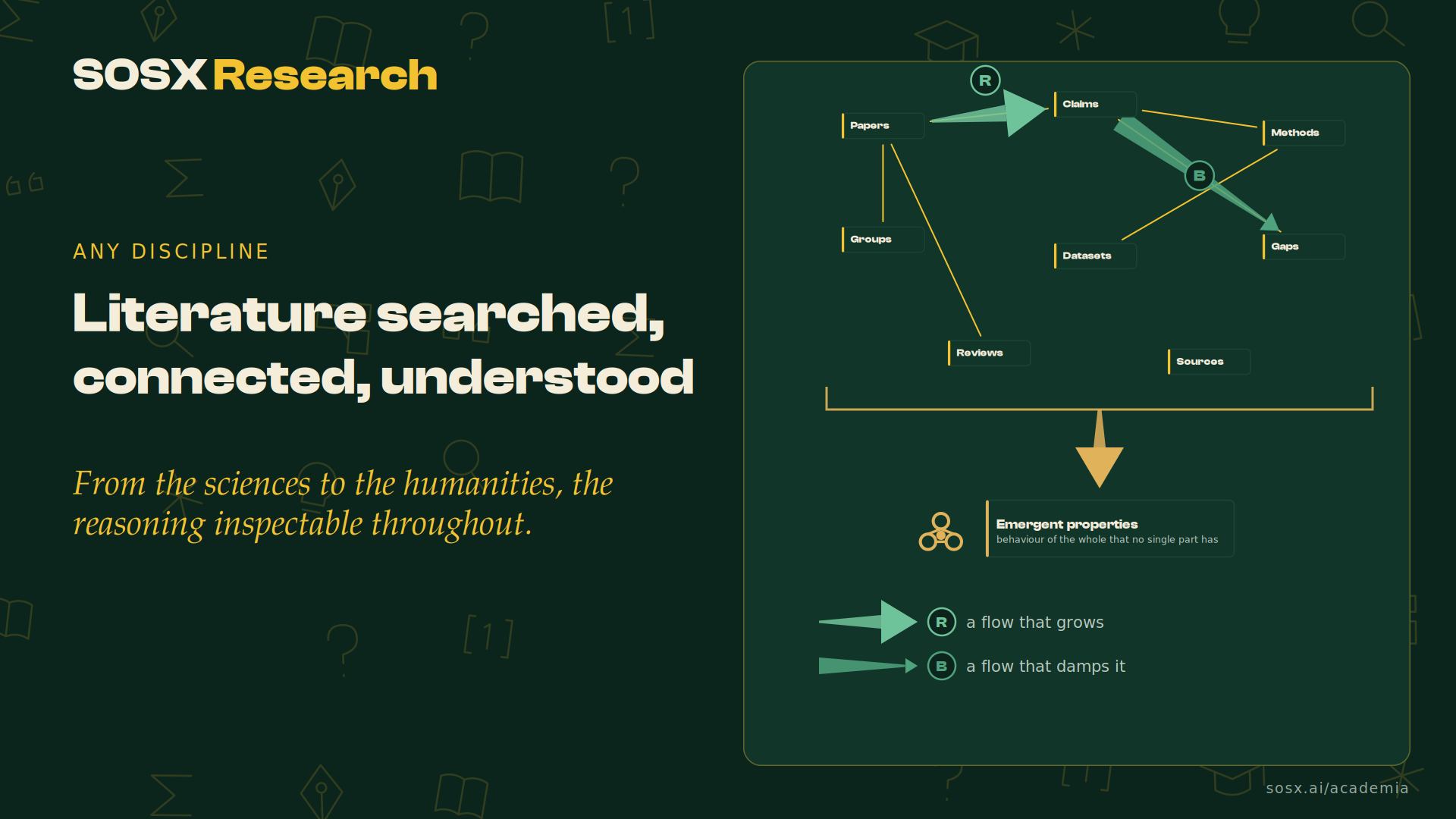
Literature searched, connected, understood, across disciplines: papers and concepts as one connected map, gaps and contradictions surfaced, every reference verified against its source.
The problems it solves
- “My question sits across three disciplines, and I can read only one of them properly.”
- “I can’t be sure I haven’t missed the paper that answers it.”
- “A reviewer asked where my gap claim comes from.”
- “The field moves faster than my literature review.”
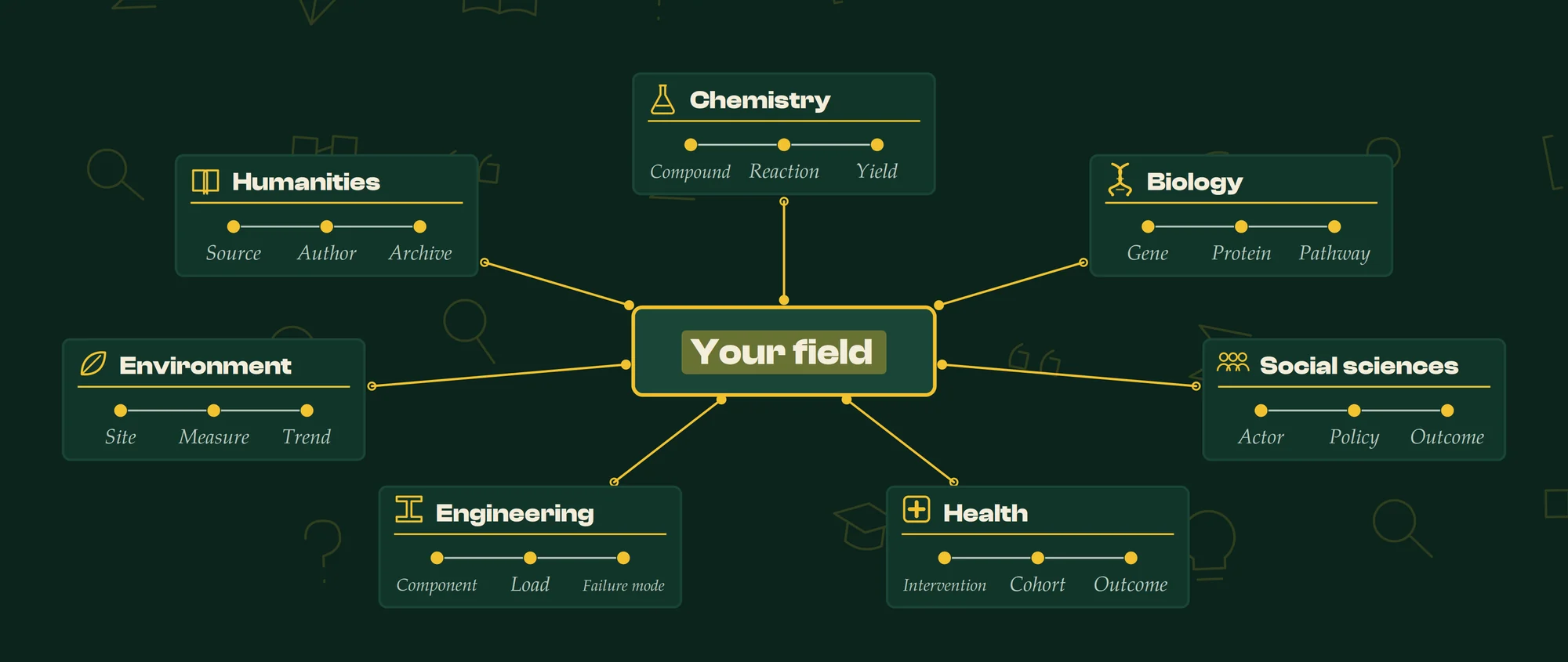
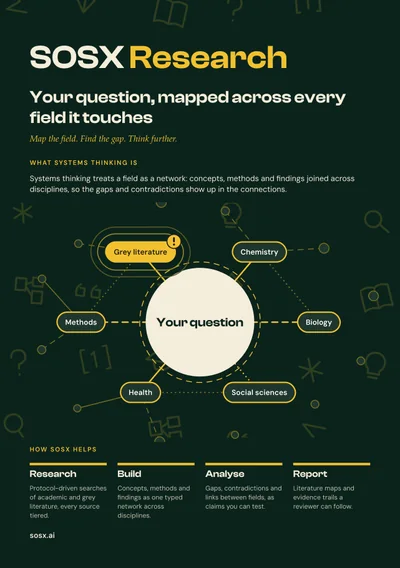
SOSX Research: Your question, mapped across every field it touches
See SOSX Research at work
The discipline: what a defensible literature position asks of you 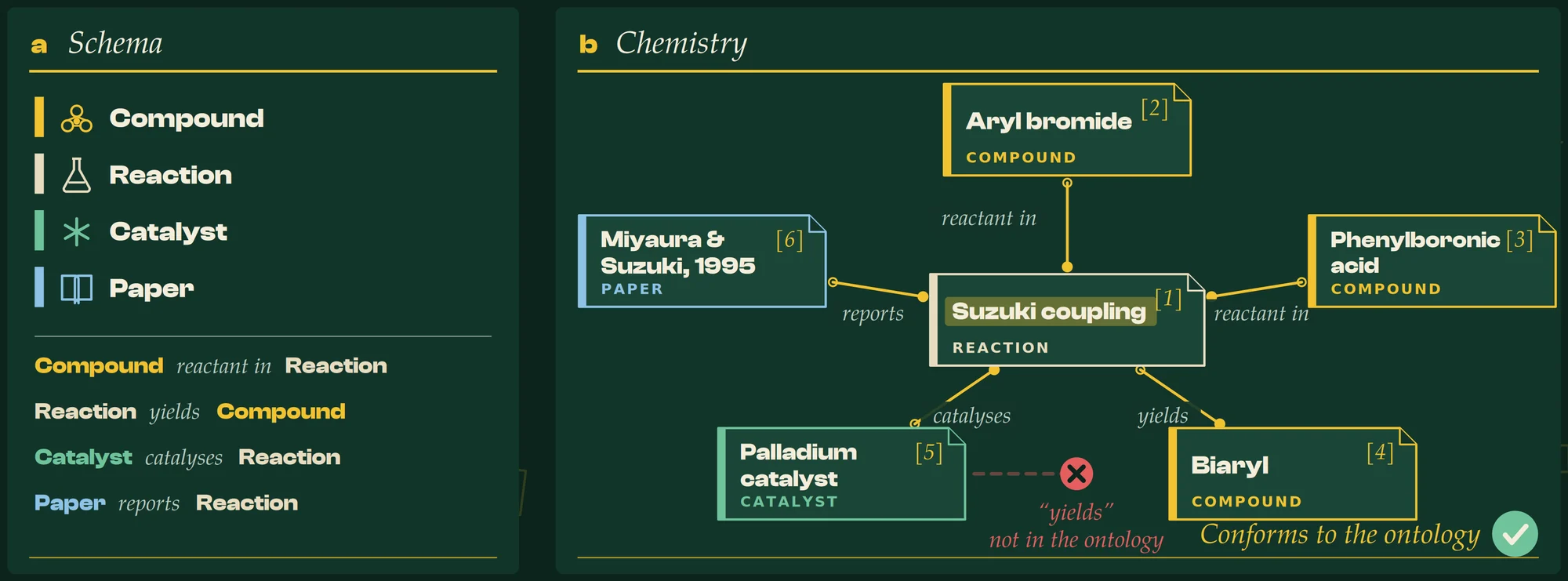
What the platform gives a research programme 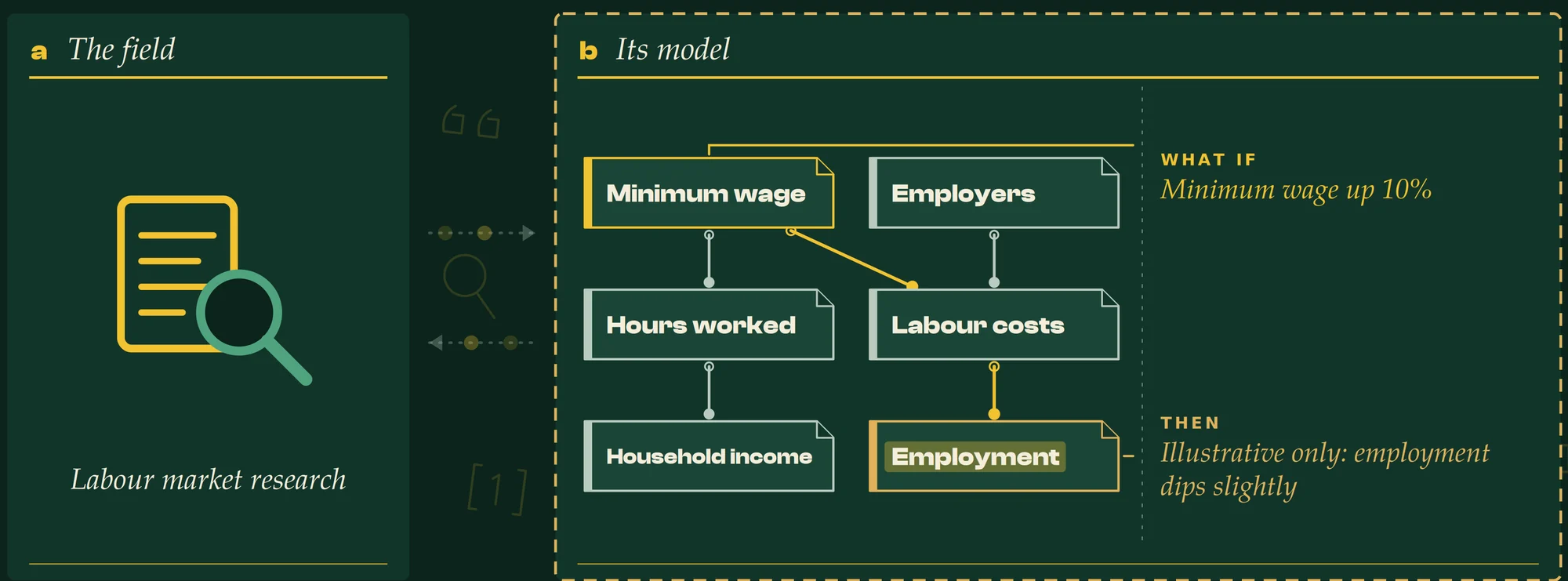
The question a supervisor might ask

How SOSX helps
Research
Specialised agents research the question, every claim citing a source.
Build
One typed, connected network, every value with its units and confidence.
Analyse
What-if, feedback loops, dependencies, trade-offs, risk and ROI.
Report
SWOTs, risk registers and decision reports, red-teamed before you see them.
The detail
For when you want the whole argument.
Read moreWhat SOSX Research does
SOSX Research: literature searched, connected, understood, across disciplines. It maps a body of research the way SOSX maps an engineering ecosystem: concepts connected across papers, gaps and contradictions surfaced, suggested directions grounded in cited sources. It is the same mapping discipline, applied to research literature.
The methodology underneath is the one we run ourselves: Proposal-OS, our grant-writing discipline, with its honesty machinery, a verified-citations-only gate, documented-search gap-claim discipline, blind hostile-panel review, and an assessor-feedback learning loop. It is the proposal methodology we use on our own competitive funded-bid work, and SOSX Research brings the same discipline to a literature.
The aim is a research programme you can see whole, with the reasoning inspectable at every step. You direct it and you defend it; the platform does the reading and keeps the evidence trail underneath it.
Read moreThe discipline: what a defensible literature position asks of you
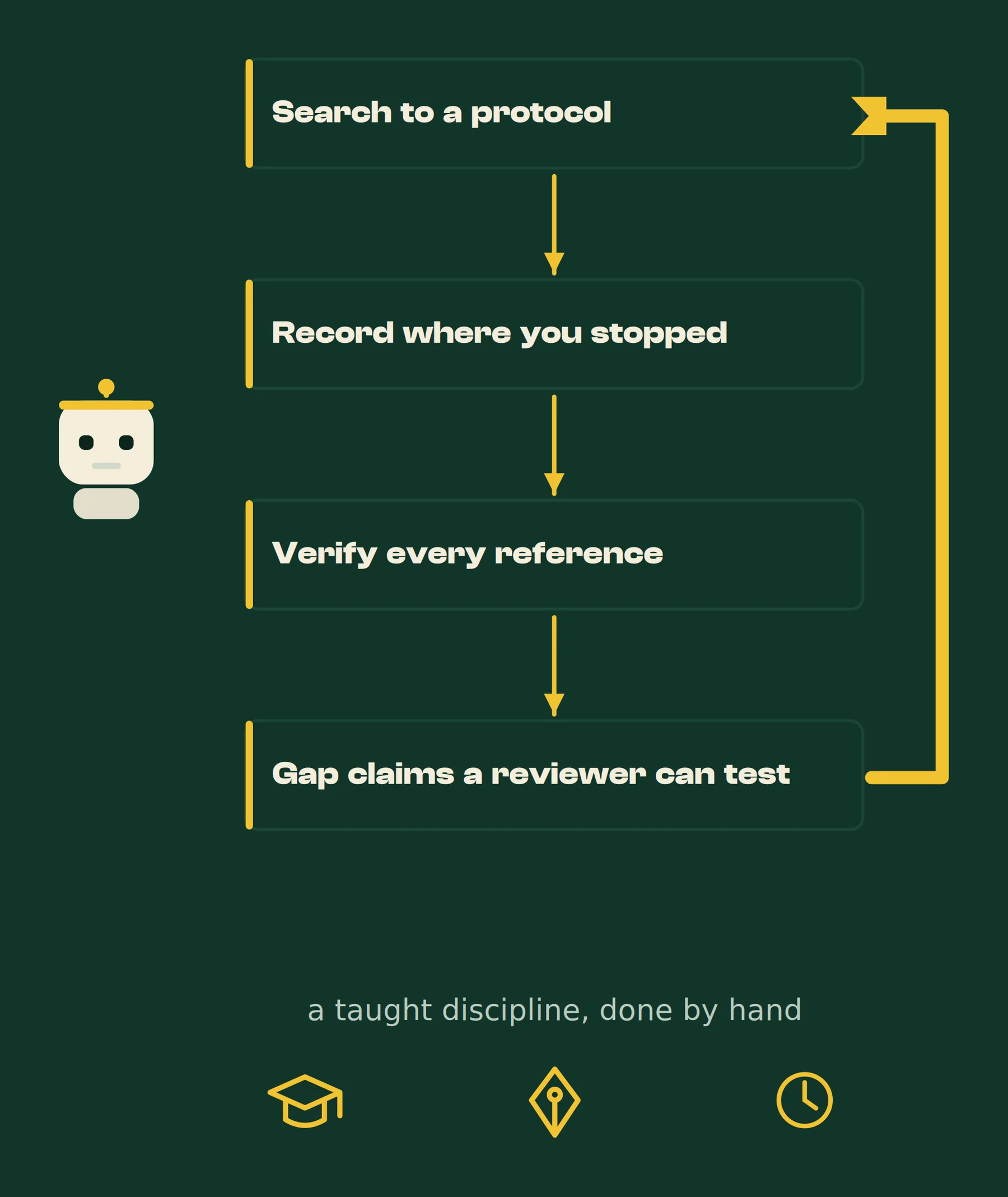
Research method is a taught discipline and it has nothing to do with us. Declare the position you are arguing from (the ontology and epistemology underneath the question, and whether you are reasoning inductively or deductively) because a method inherits a tradition whether or not you name it. Search systematically: a protocol, seeds, forward and backward snowballing, and a record of what you searched and where you stopped. Verify every reference against the source itself; a citation is earned, not remembered. Make gap claims that a reviewer can test, which means pointing at the search that failed to fill the gap rather than asserting silence. Where the literature genuinely will not answer, elicit expertise in a structured way, the Delphi method Dalkey and Helmer set out in 1963, and record the elicitation as provenance rather than pretending a number was found. Then plan the work with a critical path and honest float, and hand the whole thing to somebody hostile before a panel gets it.
All of this is done by hand, every day, by people who are good at it. The cost is time and it lands on the same people twice: once building the map, and again keeping it current as the field moves under it. The expensive part is not drawing the map: it is building it and keeping it true.
Which is the honest frame for what follows: the discipline above is the product of centuries of scholarship, and what the platform gives you is a way to hold all of it at once. The research stays yours to direct and yours to defend, and SOSX does the reading, the mapping and the evidence chasing underneath it, so the weeks of searching stop being the price of the work.
Read moreWhat the platform gives a research programme
Every claim cites a catalogued source by stable ID; analyses are unit-aware and carry uncertainty markers; judgement, formal proof and computation are kept visibly separate. SOSX Research points that same discipline at a literature: papers and concepts as a connected, typed network, contradictions surfaced rather than smoothed over, and gap claims that can point to the search that failed to fill them.
Related work: a paper on the SOSX design has been submitted to a peer-reviewed journal.
Read moreThe question a supervisor might ask
Across the two hundred papers this programme sits on, where do the findings actually contradict each other, and which of our assumptions is load-bearing? Weeks of close reading go into answering that by hand, and the answer decays as the field moves. With a mapped field it is a standing property: inspectable, cited, re-checkable as new work lands.
We hold open questions of our own, and we would welcome collaboration on them: higher-dimensional network modelling for emergent properties, fluid-dynamics analogies for parameter flows, and graph-optimisation methods beyond our current Bayesian and Monte-Carlo modes.
Free to download
Go deeper

Correct us, genuinely
We would rather be corrected by the people who do this for a living than pitch at them. If you supervise a programme, run a research office, or simply think our open questions are the wrong ones, that is exactly the conversation that makes the platform sharper.
Research support has its own page: the full story lives at sosx.ai/academia.
Send us your question and let's have a chat.